Why changing the locks when moving house should be one of the first jobs
Moving house is busy enough without adding another worry to the list. Boxes, keys, paperwork, removals, utilities and last-minute jobs all seem to arrive at once.
But once you have the keys, the front door becomes one of the most important parts of the property.
A question I am often asked as a local Leeds locksmith is: Do I really need to change the locks when I move into a new house?
My honest answer is yes, I would strongly recommend it.
Not because every previous owner, tenant, estate agent or tradesperson is a risk. Most people are perfectly decent. The issue is much simpler than that: once you move in, you do not know who still has a working key.
Changing the locks is not about panic. It is about taking control of your own home from day one.
Who could still have keys to your new home?
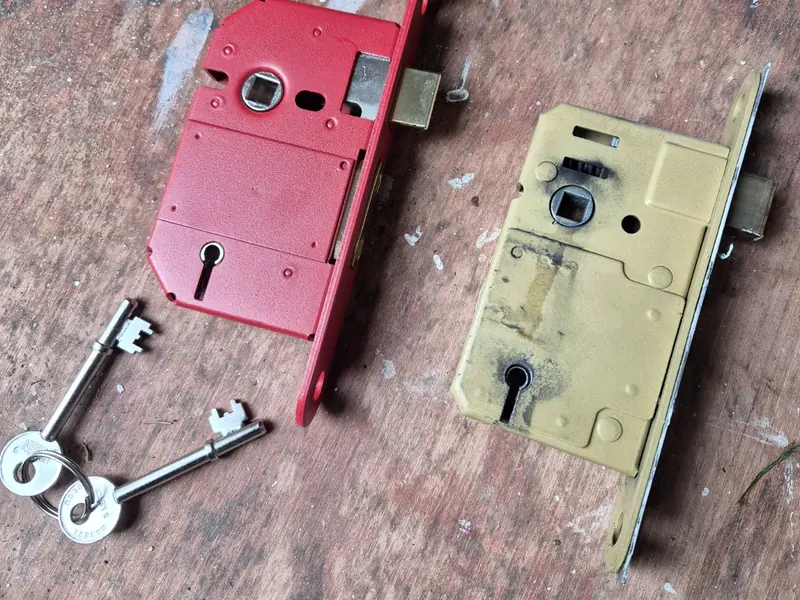
When you collect the keys, it can feel like everything is sorted. But in real life, keys have a habit of multiplying quietly over the years.
Previous owners may have given spares to family members, neighbours, cleaners, dog walkers, builders, carers, friends, tenants, landlords or estate agents. Some keys may have been lost years ago and never thought about again.
In my work across Leeds, I often attend lock changes where the new homeowner has only received one or two keys, but the lock has clearly been in use for years. That usually means more keys existed at some point.
The problem is not always that someone intends to use a spare key. The problem is that you simply cannot account for every copy.
Once the lock is changed, that uncertainty is gone.
Is it enough to ask the seller if all keys were handed over?
It is sensible to ask, but I would not rely on that alone.
A seller can only hand over the keys they know about. They may genuinely believe all keys are accounted for while a spare is still sitting in a relative’s drawer, with an old tenant, or buried in a toolbox somewhere.
Changing the lock is a practical step. You are not accusing anyone of anything. You are simply making sure that from the day you move in, only your keys work.
Should I change every lock in the house?
Not always, but you should at least check every external door.
- Front door
- Back door
- Patio or French doors
- Side door
- Garage door, especially if it connects to the house or stores valuable items
- Shed, gate or outbuilding locks if important items are kept there
On many uPVC and composite doors, it may be possible to change the cylinder without replacing the whole multipoint locking mechanism. That means the key part is changed, but the long locking strip inside the door can stay if it is working properly.
A proper locksmith should check the door, identify what actually needs replacing, and avoid selling parts that are not needed.
What is the difference between changing a lock and changing a cylinder?
This is where many customers get confused.
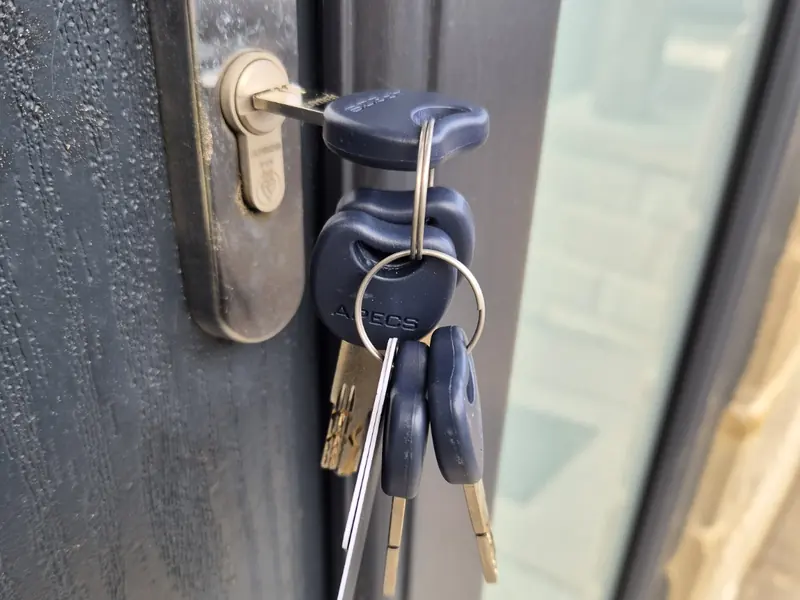
On most modern uPVC and composite doors, the part your key goes into is called the cylinder. The long metal strip running inside the door, with hooks, bolts or rollers, is the multipoint locking mechanism.
If you have just moved house and the door works properly, you may only need the cylinder changed. That gives you new keys and stops old keys from working.
If the handle is stiff, the key is hard to turn, or the door does not lock smoothly, there may also be an issue with the gearbox, alignment or multipoint mechanism. In that case, it should be inspected before simply fitting a new cylinder.
I always prefer to check the actual fault first rather than guess. Sometimes a door needs a lock upgrade. Sometimes it needs adjustment. Sometimes the cylinder is the only part that needs changing.
What type of lock should I fit when moving house?
For most external doors, I recommend using a British Standard / Insurance Approved lock where suitable.
For uPVC and composite doors, many customers choose anti-snap cylinders. These are designed to offer better protection against common forced-entry methods compared with basic cylinders.
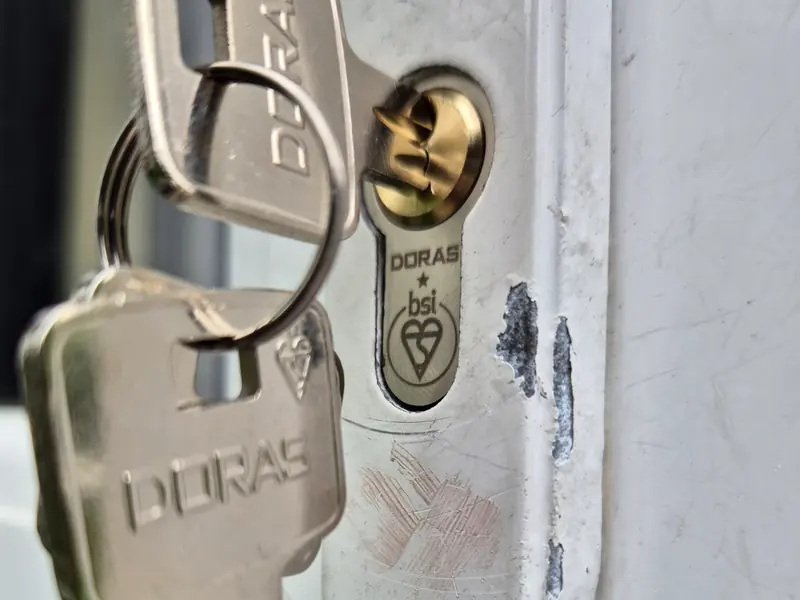
There are usually different levels available, including 1 Star and 3 Star rated options. A 3 Star cylinder normally gives stronger protection, including features such as anti-snap, anti-pick, anti-drill and anti-bump protection, depending on the brand and model.
For timber doors, the correct option may be a British Standard mortice lock or night latch, depending on the door setup.
The best lock is not just the most expensive one. It is the correct lock for the door, fitted properly, with the door locking smoothly.
Will changing the locks help with home insurance?
It can help, but every insurance policy is different.
Many insurers expect external doors to have suitable, secure locks. Some policies may refer to British Standard locks or specific types of locking systems. If you have just moved in, it is worth checking your policy documents or speaking with your insurer so you know what they expect.
From a locksmith’s point of view, fitting British Standard / Insurance Approved locks where appropriate is a sensible step. It gives you better security and can help avoid problems if you ever need to make a claim.
Do not assume the existing locks are suitable just because they are already on the door. I see plenty of homes with old, worn or basic cylinders that should have been upgraded long ago.
Should landlords change locks between tenants?
In my opinion, yes, it is good practice.
Tenant changeovers are one of the most common reasons for changing locks. Even when a tenant leaves on good terms, there is no guarantee that every spare key has been returned. Keys may have been copied, lost, passed to family members or given to tradespeople.
For landlords in Leeds, changing the locks between tenancies can help protect the property and reassure the next tenant. It is a small job compared with the cost and stress of dealing with unauthorised access later.
It also sends the right message: the new tenant starts with a secure home and their own set of keys.
Should I change locks after buying a house even if the locks look secure?
Yes.
A lock can look perfectly fine from the outside and still leave you with the same problem: unknown keys.
The locks seem fine, but I just don’t know who has keys.
That is exactly the point. The lock may operate properly, but the security question is not only about whether the mechanism works. It is also about who can open it.
If you would not be comfortable with an unknown person having a working key, change the lock.
Can old locks cause problems after moving in?
Yes, and it is very common.
Moving house often exposes lock problems because doors suddenly start being used more. Furniture is moved in, doors are left open, handles are used repeatedly, and keys are passed between family members.
Older locks may already be worn. uPVC doors can also drop slightly over time, causing pressure on the multipoint locking system. If the handle needs forcing or the key only turns when you lift the handle hard, that should be checked.
Forcing a stiff lock can lead to a full failure later, sometimes leaving you locked out or unable to secure the door.
A lock change visit is a good time to check that the door actually locks properly, not just that the key turns.
Can the same key work on more than one door?
In some cases, yes.
Depending on the door type and lock setup, it may be possible to fit cylinders that work from the same key. This is sometimes useful if you have a front and back door and want fewer keys to carry.
It is not always possible or suitable, but it is worth asking before the locks are changed.
The priority should always be correct fitment and security first. Convenience comes after that.
How quickly should I change the locks after moving in?
Ideally, as soon as possible after you get the keys.
Many people book it for the day they complete, the day they move in, or within the first few days. If you are not staying at the property immediately, it is still worth doing early, especially if the house will be empty with tools, furniture or new appliances inside.
A property is often most vulnerable during the moving period because routines are unsettled and lots of people may be coming and going.
Changing the locks early means one less thing sitting in the back of your mind.
Is changing the locks expensive?
It depends on the type of door, the lock required, and whether any faults are found with the door or mechanism.
A straightforward cylinder change on a working uPVC or composite door is usually much simpler than replacing a full multipoint locking mechanism. If the door has alignment issues, a failed gearbox, or a damaged locking strip, that will change the job.
This is why I always prefer to give a clear quote before work starts. With Locksmith Leeds MobileLS Ltd, there is no call-out fee and no VAT added, so customers know what they are agreeing to before I begin.
Can I change the lock myself?
Some people can, especially with a simple cylinder swap. But there are a few things to be careful with.
The cylinder must be the correct size. If it sticks out too far, it can weaken the security of the door. If the wrong type is fitted, you may not get the protection you expected.
On uPVC and composite doors, it is also important not to ignore stiffness, poor alignment or gearbox problems.
A lock is not just a part. It is part of a door system.
If the door is not locking smoothly, changing the cylinder alone may not fix the real problem.
What should I check when moving into a new property?
Before or shortly after moving in, check:
- How many external doors does the property have?
- Do all locks work smoothly?
- Does the handle lift easily on uPVC or composite doors?
- Does the key turn without force?
- Are any cylinders old, loose or sticking out too far?
- Are the locks British Standard / Insurance Approved?
- How many keys were supplied?
- Could previous tenants, owners or tradespeople still have keys?
- Are garage, shed or side gate locks secure?
These checks do not take long, but they can reveal problems early.
Local lock changes after moving house in Leeds
I regularly change and upgrade locks for homeowners, landlords and tenants across Leeds after moving house, losing keys, tenant changes, break-ins, worn locks or security concerns.
I can check the existing locks, explain what is actually needed, and fit suitable British Standard / Insurance Approved options where appropriate.
With Locksmith Leeds MobileLS Ltd, you speak directly with a local locksmith, not a call centre. There is no call-out fee, no VAT added, and I give a clear quote before work starts.
If you have just moved into a house or flat in Leeds and you are not sure who still has keys, changing the locks is one of the simplest ways to make the property properly yours.
Need a lock changed or upgraded? See my lock change service in Leeds.